
 By IQnewswire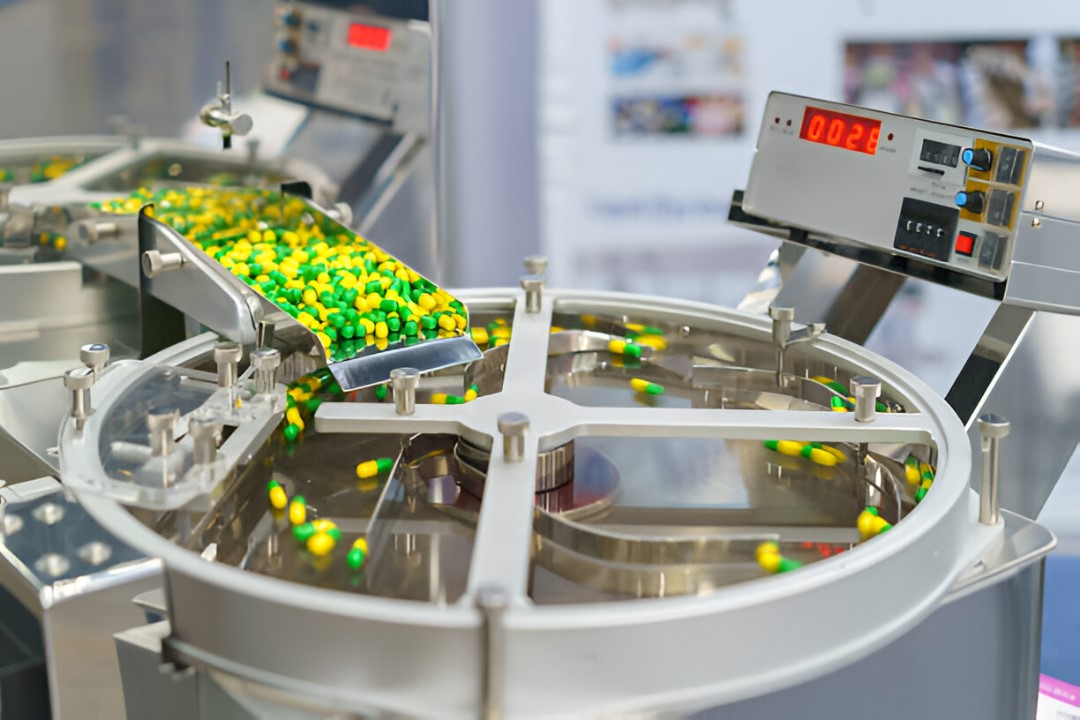
The supplement industry has matured rapidly over the past decade. Once dominated by generic vitamins and protein powders, the market now includes specialized products designed for sleep, mood, gut health, cognitive performance, beauty, and longevity. This diversification has not been driven only by consumer demand, but by technological innovation within manufacturing facilities.
New production methods, ingredient delivery systems, and formulation strategies are redefining what supplements can achieve, while also influencing how brands differentiate themselves in a competitive landscape. Manufacturing is no longer a passive step in production; it is a source of innovation that shapes market direction.
Innovation Has Shifted From Marketing to Manufacturing
Historically, supplement brands tried to differentiate through messaging and branding. Packaging, slogans, and endorsements were the tools for standing out. Today, innovation has shifted inward. The most successful products attract attention because they deliver:
- Better absorption
- Faster results
- Cleaner ingredients
- Improved sensory experience
- User-specific customization
Modern brands understand that scientific credibility and product performance drive consumer loyalty more effectively than advertising does. This shift has created pressure for manufacturers to adopt new technologies and processes that enhance product effectiveness and consistency.
The Rise of Advanced Delivery Systems
One of the most significant areas of innovation involves ingredient delivery. Traditional capsules and tablets still dominate the market, but new forms are gaining preference because they provide improved convenience or efficacy.
Emerging delivery systems include:
- Liposomal encapsulation
- Time-release technologies
- Functional gummies
- Powders with enhanced solubility
- Ready-to-drink beverages
- Novel emulsification systems
These technologies allow for:
- Higher bioavailability
- Better ingredient stability
- Improved sensory profile
- Controlled nutrient release
Such innovations transform consumer experience from a routine supplement into a lifestyle product. They also enable brands to develop specialized formulations that cannot be replicated using conventional delivery formats.
Ingredient Science Is Driving Market Differentiation
Another important trend is the rapid expansion of ingredient science. Brands now compete by identifying new active compounds or optimizing known ingredients for better performance.
Examples include:
- Adaptogenic herbs for stress regulation
- Nootropic compounds for cognitive enhancement
- Probiotics and prebiotics for microbiome balance
- Collagen peptides for skin and joint health
- Plant-based proteins for sports nutrition
Innovation in ingredient science is not simply about discovery; it is also about dosage accuracy, synergistic interaction, and long-term safety.
Manufacturers with scientific expertise can transform general health goals into evidence-based formulations, helping brands position themselves as credible and results-focused.
Manufacturing Technology Has Become a Strategic Asset
Modern factories are investing in advanced equipment not just to increase output but to improve quality control and product performance. Common technologies include:
- High-precision mixing systems
- Real-time spectroscopic analysis
- Clean-label binding methods
- Low-temperature drying technology
- Encapsulation automation
These systems improve:
- Dosage consistency
- Raw material utilization
- Allergen management
- Shelf stability
Advanced production methods reduce failure rates and improve scalability, allowing brands to grow consistently without compromising quality.
Working with a professional private label supplement factory allows brands to access these capabilities without investing millions of dollars in infrastructure.
Personalization Is Influencing Formulation Strategy
Consumer expectations have evolved from general wellness to personalized health. People want supplements designed for their:
- Lifestyle
- Age
- Gender
- Dietary preference
- Performance goals
This trend has encouraged manufacturers to create smaller-batch, highly targeted formulations rather than mass-market products.
Personalization strategies may include:
- Nutrient combinations for specific demographics
- Allergen-free or vegan formulations
- Gender-specific hormonal support
- Athlete-focused performance blends
Customization is costly and technically demanding, but it offers brands a competitive advantage in a crowded marketplace.
Professional manufacturers support personalization by:
- Ingredient sourcing
- Safety testing
- Regulatory evaluation
- Sensory optimization
Personalized products build deeper relationships with consumers because they address specific needs rather than broad wellness goals.
Clean Label Demands Have Reshaped Production Standards
Consumers are now highly focused on ingredient purity, environmental impact, and chemical transparency. Clean-label expectations include:
- Minimal additives
- Natural sources
- Transparent labeling
- Allergen awareness
- Ethical sourcing
Manufacturers are responding by adopting:
- Natural binders and sweeteners
- Plant-based stabilizers
- Non-synthetic colorants
- Eco-friendly packaging options
Clean-label standards are not marketing trends; they are regulatory and reputational necessities that influence customer trust and market acceptance.
Sustainability Is Becoming a Manufacturing Priority
Environmental sustainability has moved from ethical aspiration to industry requirement. Manufacturers are implementing:
- Waste-reduction systems
- Sustainable procurement policies
- Energy-efficient machinery
- Recyclable packaging materials
Sustainability impacts:
- Consumer perception
- Cost structure
- Supply chain resilience
Brands that align with sustainable manufacturing practices can leverage these values in positioning, especially in premium markets.
Data-Driven Quality Systems
Quality control has traditionally been manual, but modern factories rely on data analytics to identify potential issues and optimize production.
These systems monitor:
- Ingredient quality
- Batch consistency
- Environmental conditions
- Contamination risk
- Production variance
Real-time data allows manufacturers to make immediate adjustments, reducing waste and ensuring compliance.
Working with a private label supplement factory gives brands access to these systems, improving product reliability and reducing operational risk.
Collaboration Is Replacing Transactional Relationships
The old model of manufacturing treated production as a transactional service. Today, leading manufacturers operate as strategic partners.
They support brands with:
- Product development
- Ingredient research
- Regulatory navigation
- Packaging design
- Scalability planning
Companies such as Jiabei Supplement have shifted toward collaborative partnerships, working with brands from concept to commercialization. This supports stability and innovation while improving brand differentiation in the marketplace.
Final Thoughts
Innovation has become a defining force in the supplement industry. Advances in ingredient science, delivery systems, manufacturing technology, and sustainability have transformed the way supplements are developed and evaluated.
Brands that embrace innovation and collaborate with knowledgeable manufacturing partners gain competitive advantages in:
- Product performance
- Consumer perception
- Compliance
- Scalability
Entrepreneurs do not need to build scientific or technical infrastructure themselves. By partnering with an experienced private label supplement factory, they can leverage advanced capabilities, reduce risk, and accelerate market entry.
In a market driven by results, innovation in manufacturing is no longer an optional investment; it is the foundation of long-term success.
 Elite
Elite  Aliza Beth