
 By IQnewswire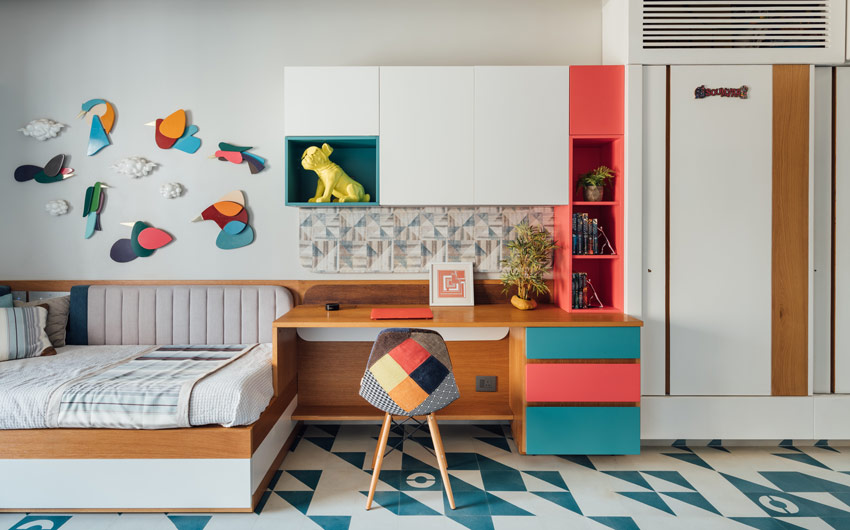
A child’s room rarely becomes outdated overnight. The change happens quietly, often going unnoticed until friction appears. The bed still fits. The walls are intact. The furniture works. Yet something feels off. The child avoids the room, struggles to focus, or treats the space as temporary rather than personal. These moments signal a mismatch between who the child is becoming and what the room still represents.
Rooms are usually designed around a snapshot in time. A toddler phase. A preschool theme. An early school setup. Children, however, do not develop in snapshots. They grow in layers. When the room stays fixed while the child changes, tension builds. The space stops supporting daily routines and starts working against them.
Parents often wait for visible damage before considering renovation. Scratches, broken drawers, worn carpets. These are practical triggers, but they are rarely the real reason a redesign is needed. The deeper reason is developmental. The room reflects a younger version of the child, one that no longer exists.
This shows up in subtle ways. Toys remain unused but untouched. Shelves become cluttered because storage no longer matches interests. A reading corner sits empty because the child now studies differently. The room becomes a storage unit rather than a place of rest, focus, or ownership.
A useful question for parents is simple. Does this room help my child do what they need to do today. Sleep, learn, relax, and feel safe. If the answer is unclear or hesitant, the room is likely overdue for change.
Redesign does not mean replacing everything. It means realigning the space with the child’s current stage. Sometimes that requires renovation. Sometimes it requires restraint. Knowing the difference starts with understanding how children signal that a room no longer fits.
Behavioural Signals That Point to Design Problems
Children rarely say they need a room redesign. They show it instead. Behaviour changes often appear before parents connect them to the physical environment. These signals are easy to misread as mood swings, laziness, or defiance, but many are rooted in how the room functions.
One common signal is avoidance. A child who once spent time in their room now prefers shared spaces or avoids being alone. This can stem from overstimulation, poor lighting, or a layout that no longer feels comfortable. A room designed for play may feel chaotic to a child who now needs calm and focus.
Sleep issues are another indicator. Difficulty falling asleep, frequent waking, or resistance to bedtime can be linked to lighting, clutter, or furniture scale. A bed that once felt cozy may now feel restrictive. Bright colours that once energized may now overstimulate.
School aged children often struggle with focus when the room lacks a clear separation between rest and work. A desk placed as an afterthought, poor chair support, or inadequate lighting can turn homework into a daily battle. Parents may push for discipline when the real issue is physical discomfort or distraction.
Clutter is frequently misunderstood. When storage no longer matches a child’s habits, mess becomes inevitable. Open bins designed for toys do not suit books, electronics, or personal items. The child stops trying to maintain order because the system no longer works.
Another overlooked signal is modification. Children tape posters over walls, rearrange furniture, or bring items from other rooms. These actions are attempts to adapt the space when adults have not. They show emerging ownership and unmet needs.
When these behaviours appear together, the room is no longer supporting the child. Renovation may not be urgent, but redesign is necessary. Ignoring these signals often leads to frustration on both sides, when a physical adjustment could ease daily tension.
Developmental Phases That Call for Redesign
Children move through predictable developmental phases, even though each child expresses them differently. Certain transitions almost always require a room update. Recognizing these moments helps parents plan ahead rather than react late.
The first major shift happens when a child moves from toddlerhood to early school age. The room often remains play focused while the child’s world expands. Toys still dominate, but attention shifts toward learning, quiet play, and independence. At this stage, redesign often means reducing visual noise, introducing a proper bed, and creating simple zones for different activities.
Between ages six and nine, children seek autonomy. They want control over their belongings and privacy over their space. Rooms designed entirely by parents begin to feel imposed. Storage must become more personal. Furniture should support longer periods of sitting, reading, or building. This is often the moment when a desk becomes essential, not decorative.
Pre adolescence brings another shift. Identity formation begins, and the room becomes a reflection of self rather than a functional container. Children care about how the room looks and what it says about them. Privacy becomes important. Shared rooms may need clearer boundaries. Lighting choices and wall treatments start to matter more.
Teen years demand the most functional redesign. Sleep patterns change. Study time increases. Social interaction shifts online and in person. Furniture must support longer use, heavier loads, and adult sized bodies. A room that still carries childhood elements can feel restrictive or embarrassing.
Waiting too long to adjust the room during these phases often leads to resistance. Children may reject changes or disengage entirely. Planning smaller updates at each transition reduces the need for drastic renovation later.
The goal is not to chase trends but to anticipate needs. A room that evolves gradually stays relevant longer and respects the child’s growth without constant upheaval.
Safety, Health, and Practical Red Flags
Some redesign decisions are optional. Others are overdue. Safety and health concerns should override hesitation, even when budgets are tight.
Furniture scale is a common issue. Beds, desks, and chairs designed for younger children can cause posture problems as bodies grow. Feet dangling from chairs, desks that are too low, or beds that restrict movement can affect comfort and long term habits. Parents often notice complaints without linking them to furniture size.
Storage hazards increase with age. Climbing shelves, unstable dressers, and overloaded units pose risks. Children use furniture differently as they grow, leaning, hanging, or stacking items. What was safe at five may not be safe at ten.
Lighting affects both sleep and focus. Inadequate task lighting strains eyes. Harsh overhead lighting disrupts evening routines. A redesign may require rewiring or simply rethinking placement. Light should adapt to different activities rather than forcing one solution.
Material sensitivity can also change. Allergies, asthma, or skin sensitivities may emerge over time. Carpets, paints, and fabrics that were once tolerated may become problematic. Redesigning with washable surfaces, low emission materials, and better ventilation can significantly improve comfort.
Wear and tear becomes a health issue when surfaces splinter, drawers jam, or flooring lifts. Children adapt to these issues until injury occurs. Parents often delay renovation because the damage seems minor, but cumulative neglect increases risk.
Not every safety issue requires a full renovation. Sometimes replacing one piece of furniture or re anchoring storage is enough. The key is recognizing when practicality outweighs aesthetics or nostalgia.
Involving the Child Without Losing Direction
A successful redesign balances parental guidance with child involvement. Excluding the child often leads to rejection. Handing over full control leads to short lived results.
Children should be involved in decisions that affect daily use. Layout preferences, storage needs, and colour accents are reasonable areas for input. Structural choices, budget limits, and long term planning remain the parent’s responsibility.
Listening matters more than agreeing. When a child explains why they dislike a space, the reason often points to function rather than style. A request for darker walls may reflect sensitivity to light. A desire for a new chair may indicate discomfort, similar to how adults notice posture issues when sitting on unsuitable furniture, whether at home or even on restaurant chairs during long meals.
Translating preferences into durable choices is a skill parents must apply. Trends fade quickly. Neutral foundations with personal elements layered on top allow the room to change without full redesign.
Budget awareness can also be taught through the process. Discussing trade offs, reuse, and phased upgrades helps children understand value without turning the room into a compromise they resent.
Ownership grows when children see their input respected within boundaries. The room becomes a shared project rather than a gift or a rule. This sense of ownership increases care and reduces conflict over maintenance.
Knowing When a Refresh Is Enough
Not every mismatch requires renovation. Sometimes parents project anxiety onto the space, confusing their own desire for order with the child’s needs.
A refresh focuses on adjustment rather than replacement. Repainting walls, rearranging furniture, updating lighting, or changing storage systems can dramatically alter how a room functions. These changes cost less and preserve continuity.
Parents should ask whether the core elements still serve the child. If the bed supports good sleep, the desk fits the body, and storage matches habits, a full redesign may be unnecessary. Cosmetic dissatisfaction alone is not a strong reason to renovate.
Long term thinking helps here. A room designed to grow with the child reduces the need for frequent changes. Adjustable furniture, modular storage, and neutral layouts allow adaptation without demolition.
Good enough often means the room supports the child without drawing attention to itself. It does not need to impress visitors or follow design trends. It needs to work quietly, day after day.
Recognizing this prevents over renovation and teaches children that spaces do not need constant reinvention to remain valuable.
 Elite
Elite  Aliza Beth